Life online cuts both ways
Six episodes on social media, the ban, sharing your story online, and what AI could do for our mental health.
THE SURGEON GENERAL’S ADVISORY
“At this time, we do not yet have enough evidence to determine if social media is sufficiently safe for children and adolescents.” That is an honest answer, and it cuts both ways. Much of the research still cannot tell whether heavy use causes distress or follows it. This series is about what we do know, and what to do while the rest is worked out.
THE STATISTICS
Almost every Australian child aged 10 to 15 had used social media.
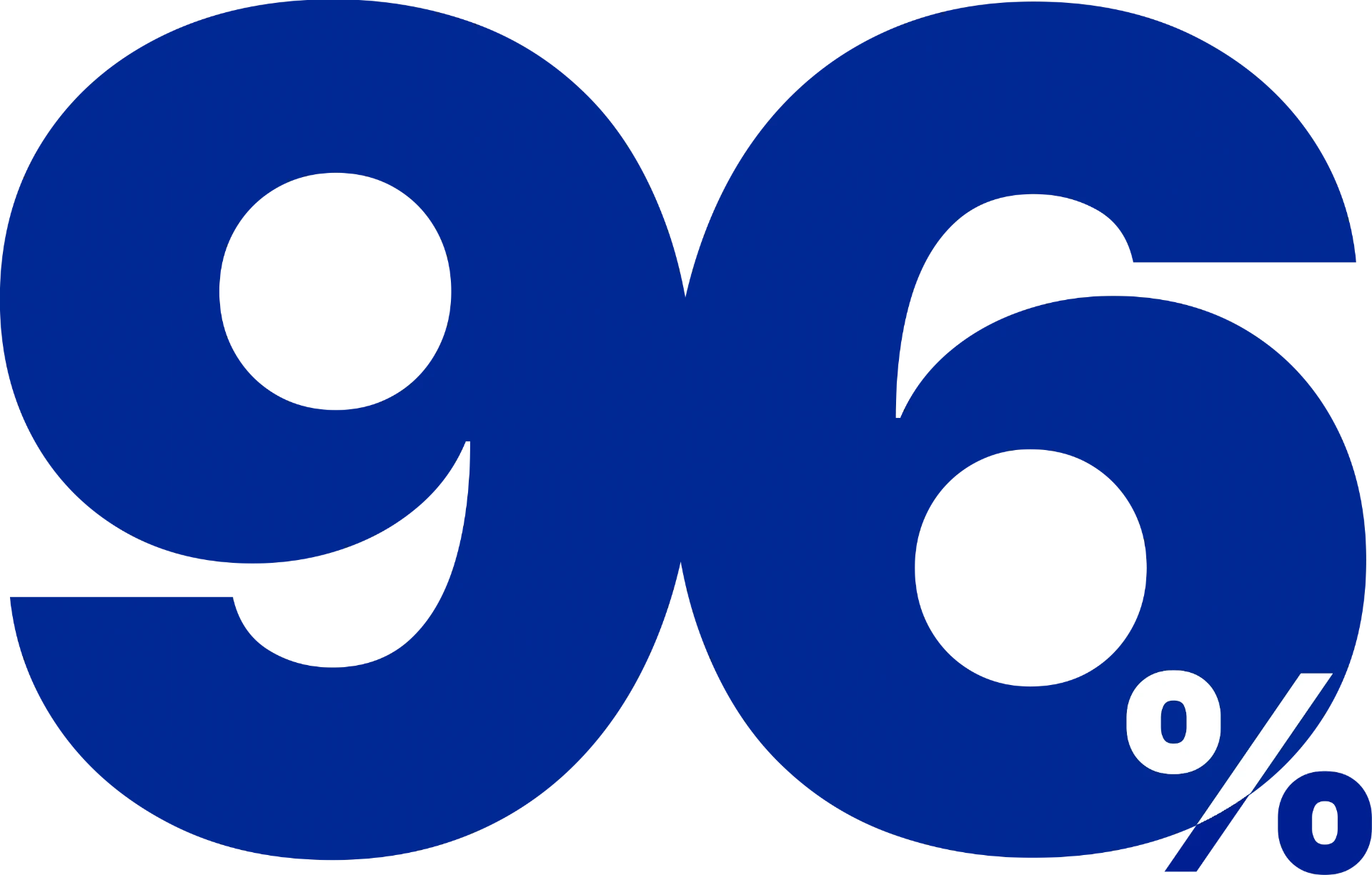
In a national survey taken between December 2024 and February 2025, 96% of children aged 10 to 15 had used at least one social media platform. Among 10 to 12 year olds it was 93%, even though platforms set 13 as the minimum age. Seven in ten had come across content associated with harm, from misogynistic and hateful material to dangerous challenges and content promoting disordered eating, and three in four said they had last seen it on social media.
eSafety Commissioner, Digital use and risk: Online platform engagement among children aged 10 to 15, 2025.
DESIGN, NOT WILLPOWER
Social media is built to keep you scrolling. Relying on willpower to put it down is a fight against something designed to win.
Social media is not good or bad in itself. It keeps people connected across distance, and for young people who are isolated or marginalised it can be how they find others like them. The harm tends to come from what it pushes aside: sleep, movement and time with the people in the room. It is also engineered for attention, with feeds, colours and notifications tuned to bring you back, much like a poker machine. A lot of the research linking heavy use to depression and anxiety cannot say which came first, and often the distress drives the use rather than the reverse. What helps is changing the setting rather than relying on resolve: the phone out of reach while you work, no phones at the table, rules agreed as a family or a workplace. Start with an honest audit of what it adds and what it takes.
AMPLIFICATION
Feeling like a loser at fourteen is not new. What is new is a feed that turns the feeling into a grievance, and a community waiting to agree.
Ian and James use the Netflix drama Adolescence to talk about boys, misogyny and what parents cannot see. They disagree on how much has changed. Ian points out that exclusion, bullying and crude ideas about girls have run through every generation of teenagers. James argues that algorithms now feed those feelings back faster and in greater volume, often with a community ready to validate them. Both agree the early teenage brain is especially tuned to peers and slower to weigh consequences. Where they land is the gap between generations. Parents often feel shut out of a world they barely understand, and the answer is less about control than connection: finding the moments when talking is easier, like a drive, and making sure there are other trusted adults, such as aunts, uncles, coaches and teachers, a young person can turn to.
THE BAN
Australia now restricts social media for under-16s. Whether it helps young people’s mental health is still an open question.
From 10 December 2025, age-restricted platforms had to take reasonable steps to stop under-16s holding accounts. James came round to supporting it: young minds are the most exposed to endless short hits, and even a partial drop in use could help. Ian doubted it would work as intended. He argued that social media is closer to alcohol than tobacco, useful or harmful depending on how it is used, that a ban puts the burden on children rather than companies, and that it removes one of the places struggling young teenagers were already finding support. They agree on more than it first seems. The message that society cares may do some good, the companies should carry more responsibility, and the ban should be properly evaluated rather than assumed to work.
SHARING
Describing what you are going through can bring support. Posting a diagnosis you gave yourself can invite a pile-on.
A listener asked about ‘fake claiming’, where people who post about a self-diagnosed condition are told in the comments that they are making it up. Ian draws a line between two kinds of sharing. Asking ‘I check the door seven times a night, does anyone else?’ invites peer support, and often a nudge towards help. Declaring a diagnosis tends to invite challenge, because diagnoses carry weight: they shape support at school, at work and beyond. Looking things up online is a good first step, and taking what you find to a GP leads to better care. But not everyone has had good experiences of the health system, and assessment can be hard to get. James’s advice is to think before posting while you are struggling, because one cruel comment can outweigh nine kind ones. Reading without posting is an option too.
YOUR OWN PATTERNS
General advice says sleep more, move more, drink less. AI could tell you which of those matters most for you.
Recorded just after Ian returned from the World Economic Forum in Davos, where AI dominated the agenda. The idea is a tool that learns from your own data, such as sleep, steps, light, alcohol and mood, and finds the patterns that apply to you rather than to the average person. It might show, for example, that 5,000 steps gets you most of the benefit of 10,000, or that one extra drink is what disrupts your sleep. It could also notice a slide before you do, the way a watch already flags a change in heart rate. Two things decide whether any of this helps. Trust: who built the tool, who holds the data, and whether it is accurate, since AI can confidently make things up. And equity: new tools tend to reach the wealthy and well connected first, when the people with the most to gain are the least likely to get them.
SEEN SOONER
Most services decide who gets seen by who rings first. AI could help get the people who need care most to the front of the queue.
Ian argues AI can do three things the current system struggles with. It can triage, asking the questions that carry the most weight, like family history, sleep and risk, so the people who most need specialist care are seen first. It can collect what clinicians often miss, including what parents notice and how someone is actually going between appointments. And it can reduce the trial and error in treatment by drawing on far more information than a fifteen-minute appointment allows. People also tend to tell a screen things they would not tell a person. Ian is clear this is technology supporting clinicians, not replacing them, and in 2024 much of what he describes was still being built.
KEEPING TRACK
You do not need to wait for the tools Ian describes to start learning your own patterns.
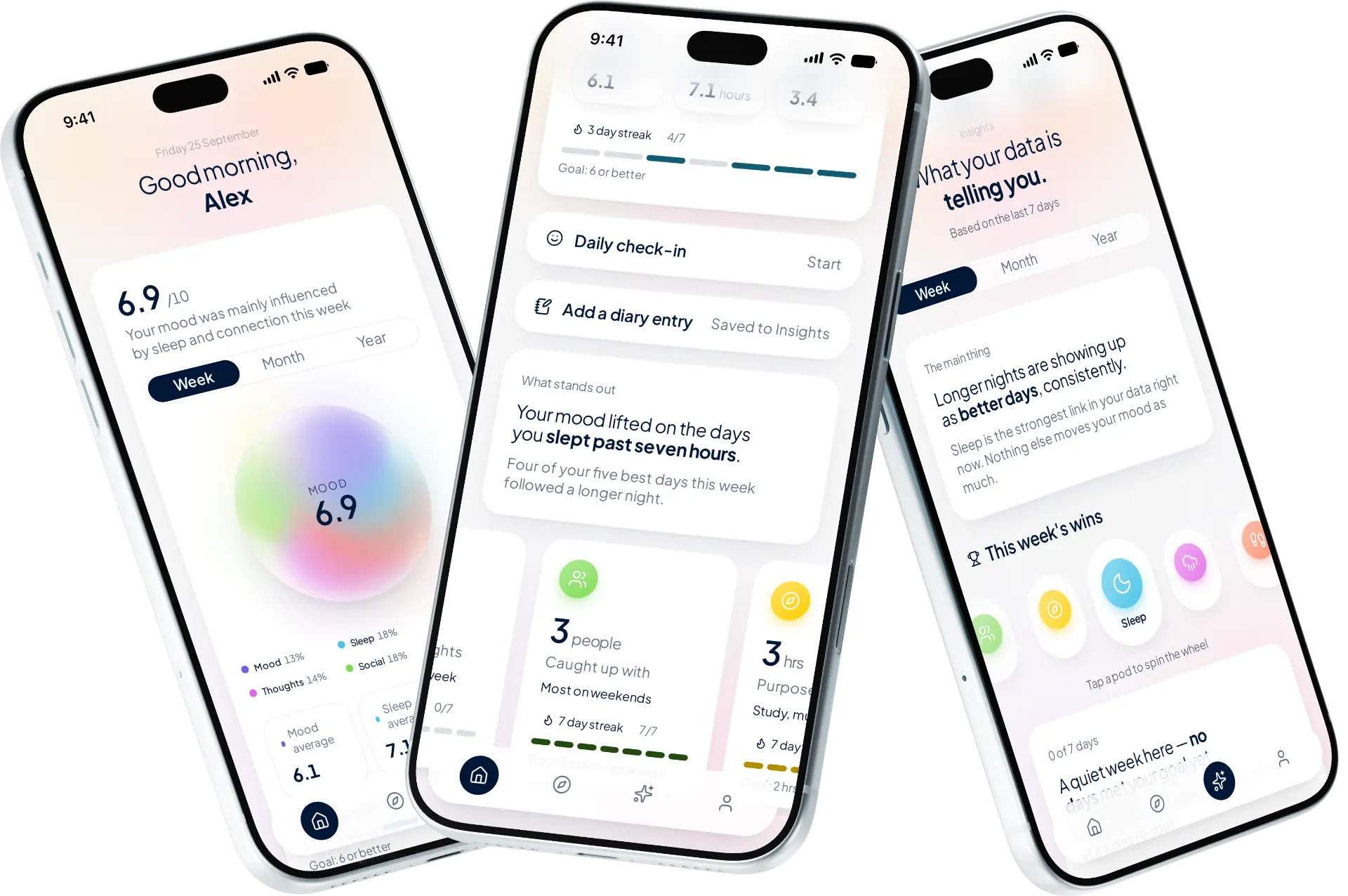
The Minding Your Mind app was built by the Brain and Mind Centre with young people. It will not do everything Ian describes, but it starts in the same place: your own data rather than the average person’s. A short daily check-in covers mood, sleep, physical health and social connection, and on iPhone your sleep and activity can come in from Apple Health. Over time that builds into graphs you can look back on, so you can see what tends to move together, such as a run of short nights before a low patch. Its strategies cover sleep, physical health and social connection, the same things heavy use can push aside, along with anxiety, negative thoughts and purposeful activity. If you are seeing a GP or psychologist, you arrive with a clearer picture than a short appointment allows. It is free, and it does not replace care.
Being online is not good or bad for our mental health in itself. It depends on what it adds, what it takes away, and who designed it. Across the series we have tried to show both sides, and what you can do about each.